
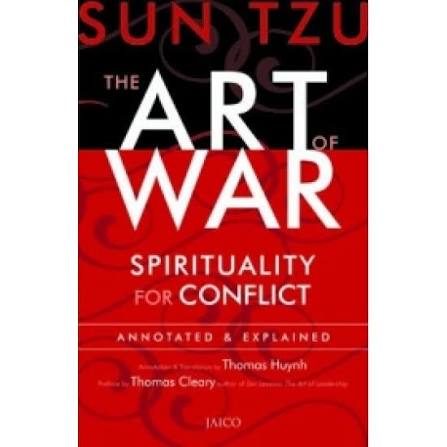
Among all the vast literature available on military strategies, The Art of War by Sun Tzu has an unparalleled reputation. This book is essentially a thorough explanation of various maxims offered by Sun Tzu. Thomas Huynh has made it easy for lay people to understand and apply these teachings in their daily activities. His commentary is clear, modern, and rooted in spirituality. The overall flow of the book is smooth and there are numerous examples to illustrate various points. While going through this work, I found it amazing to notice the seamlessly applicability of war tactics in every sphere of human endeavour.
Detailed Review
This book follows the traditional 13 chapter structure of Sun Tzu’s original text but each chapter is supplemented with modern commentary that has a spiritual orientation. Moreover, the author takes care to ensure that his explanation can be utilized in personal and professional arenas alike.
A major strength of this work is “Facing Page Commentary” where you can read the explanation while simultaneously browsing through the original text. This feature is what makes this book specially relevant for managers, leaders, negotiators, seekers, business leaders, and the like.
Huynh looks at the inevitable conflict in human life through a spiritual lens. He maintains that suffering comes not so much from conflict itself but the emotionally reactive attitude towards it. When you are able to understand that the inner calm is the superior strategic advantage, you automatically win the daily battles that often cause you to lose your precious focus. This perspective aligns with Buddhist philosophy and modern psychological studies.
One of the prominent themes covered by the author is self-mastery. According to him, Sun Tzu places a lot of importance on achieving a calm, composed, and disciplined mindset for military leaders. Only those officers who have these fine qualities are capable of successfully leading their troops. Huynh asserts that the same qualities must be cultivated by business managers, spiritual leaders, negotiators, etc. if they want to flawlessly work out their plans.
Many psychological truths are unraveled when you study how the author relates Sun Tzu’s battle tactics with modern management strategies. He advises that just like soldiers fight more ferociously against the enemy when they have no escape route, you can assign tasks to your subordinates on specific projects while leaving them no way to ditch the target.
Another important principle discussed by Sun Tzu is “Adaptability”. The author suggests individuals to not cling to identities and rigid positions each time. Success is achieved when you remain flexible and constantly adjust to changing circumstances. Additionally, you must remain open-minded, consider all possibilities, and respond effectively.
Just like large armies do not necessarily defeat smaller ones each time, you cannot expect to succeed simply because you have more resources to expend on your projects. This theme is consistent throughout Sun Tzu’s work. Huynh builds upon this theme and advises that intelligence consistently outperforms brute strength. Deeper insights, strategic planning, situational awareness, and meticulous preparation are essential.
The author also emphasizes continuous improvement as a key strategy for individuals, business organizations, political states, military units, and other common social outfits. He takes this point directly from Sun Tzu’s advice to generals who need to ensure total victory in every battle.
According to the author, the best way to utilize military tactics in diverse fields is to combine them with conventional wisdom. This will enable you to focus on your goals with the precision of a seasoned general while also working towards eliminating different obstacles using traditional ways that are inherent to your specific endeavour.
It is also quite important to focus on the strategies deployed by your competitors. The author explains that unless you remain vigilant about all the moves of your adversary, you cannot hope to remain ahead in the game. This is where Sun Tzu’s wisdom appears to have the greatest relevance.
Assessing future changes in the battlefield is crucial for top military generals and war planners. Similarly, you must have a clear-cut agenda that sustains itself on emerging changes in a beneficial way. The author asserts that this practice is essential to ensure successive victories.
This book essentially reflects on modern life’s challenges through a military strategist’s perspective. When you complete reading this work, you can easily conclude that war tactics are indispensable in business, relationships, politics, education, and almost every other field. The author has surely done a fabulous job in capturing the essence of Sun Tzu’s wisdom for the modern era.
Summing Up
This book is an essential read because it offers you so many different perspectives on the relevance of military strategies in the contemporary era. Moreover, this work inspires you to study other stuff of a similar nature. Inculcating the mindset of a warrior and battle strategist will help you regardless of the field you work in.
You must, however, always remain cognizant of the fact that situations are ever changing, and therefore, it is prudent to alter your tactics depending on the environment that you are in. Overall, this book is highly enjoyable and beneficial for anyone wishing to improve their overall quality of life.
About the Author
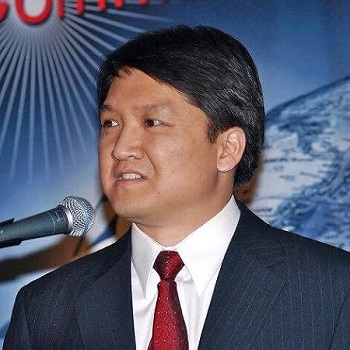
Thomas Huynh is a writer, translator, and recognized scholar of The Art of War. He is the founder of Sonshi.com, one of the leading online resources dedicated to Sun Tzu’s teachings. Through his writings and translations, Huynh focuses on making the timeless principles of strategy, leadership, and conflict resolution accessible and relevant to modern readers.